Is Mold Remediation North Vancouver Worth It? An Honest 2026 Assessment
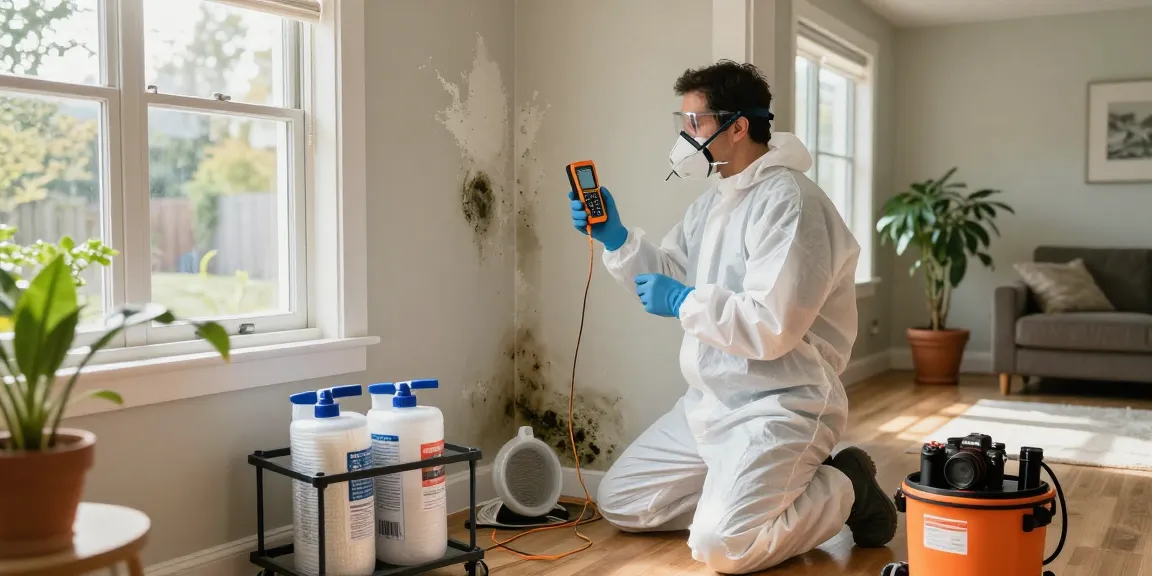
Understanding Mold Remediation in North Vancouver
Mold remediation is a crucial service for maintaining a safe and healthy living environment, particularly in regions like North Vancouver, where the coastal climate contributes to high humidity levels. Mold can thrive in various areas of a home, often going unnoticed until it leads to significant health issues or property damage. When exploring options, Mold Remediation North Vancouver provides comprehensive insights into the process of effectively eliminating mold and preventing future infestations.
What is Mold Remediation?
Mold remediation refers to the process of identifying, containing, and removing mold from an environment. It involves a comprehensive approach that not only addresses visible mold but also tackles the underlying moisture problems that cause mold growth. By using appropriate techniques and materials, mold remediation professionals ensure that the affected areas are properly cleaned, sanitized, and restored to a safe condition.
Importance of Timely Intervention
Timely intervention is essential in mold remediation. The longer mold is allowed to grow, the more extensive the damage can become. This is particularly true in North Vancouver, where the damp climate can exacerbate mold growth. Addressing mold issues promptly can prevent health problems and structural damage, saving homeowners from costly repairs and health-related expenses down the line.
Health Risks Associated with Mold
Exposure to mold can lead to various health problems, particularly for sensitive individuals such as children, the elderly, and those with respiratory conditions. Common health risks associated with mold exposure include:
- Allergic reactions (sneezing, runny nose, skin irritation)
- Respiratory issues (asthma attacks, difficulty breathing)
- Neurological symptoms (headaches, memory loss)
- Immune system complications
Understanding these risks emphasizes the importance of addressing mold problems as soon as they are detected.
The Mold Remediation Process Explained
The mold remediation process follows a systematic approach to ensure thorough removal and prevention of future growth. A comprehensive understanding of this process can help homeowners feel more confident in engaging professional services.
Step-by-Step Mold Inspection
The first step in effective mold remediation is conducting a detailed inspection. Certified technicians utilize tools like moisture meters and thermal imaging cameras to identify hidden mold and moisture sources. This step is crucial in formulating a targeted remediation plan that addresses the specific conditions of the property.
Common Techniques for Mold Removal
Mold removal typically involves several techniques, including:
- Containment: Isolating the affected area to prevent spores from spreading.
- HEPA air filtration: Using specialized equipment to remove airborne spores.
- Antifungal treatments: Applying solutions to eliminate mold colonies.
- Material removal: Disposing of heavily contaminated materials like drywall or carpets.
Each technique is selected based on the extent of the mold problem and the materials involved.
Post-Remediation Care and Maintenance
After mold removal, it’s essential to maintain the area to prevent future growth. This includes regular inspections, ensuring proper ventilation, and addressing any persistent moisture issues. Homeowners should also consider periodic air quality testing to ensure their living environment remains healthy.
Cost Considerations for Mold Remediation
Certain factors can influence the cost of mold remediation services, making it crucial for homeowners to understand what to expect before hiring professionals.
Factors Influencing Mold Remediation Costs
The cost of mold remediation can vary based on several factors, including:
- Extent of mold damage
- Type of mold present
- Accessibility of affected areas
- Labor costs in the region
Recognizing these factors can help homeowners budget effectively for mold remediation services.
Comparative Analysis: DIY vs. Professional Services
While some homeowners may consider tackling mold removal on their own, hiring professionals is often more effective. DIY methods may not adequately address the hidden sources of mold, leading to recurring problems. Professional services not only ensure thorough removal but also provide warranties and peace of mind.
Cost-Saving Strategies for Homeowners
Homeowners can adopt several strategies to save on mold remediation costs:
- Regular maintenance of plumbing and roofing to prevent leaks.
- Investing in dehumidifiers to manage indoor humidity levels.
- Conducting routine inspections to catch mold growth early.
By being proactive, homeowners can reduce the likelihood of severe mold infestations and the associated costs.
Mold Prevention Strategies for Vancouver Homes
Preventing mold growth is just as important as remedying existing problems. Effective prevention strategies can protect your home and ensure a healthy living environment.
Identifying Moisture Sources
Understanding where moisture accumulates in a home is key to preventing mold. Common moisture sources include:
- Leaky roofs or plumbing
- High humidity in bathrooms and kitchens
- Poor ventilation in attics and crawlspaces
Identifying these sources allows homeowners to take corrective action before mold can develop.
Best Practices for Home Ventilation
Proper ventilation is essential in reducing humidity levels and preventing mold growth. Homeowners should focus on:
- Using exhaust fans in kitchens and bathrooms
- Opening windows for cross-ventilation
- Installing air vents in attics and crawlspaces
These practices help to circulate air and keep moisture levels in check.
Regular Maintenance Tips to Prevent Mold Growth
Regular maintenance routines can significantly diminish the chances of mold growth. Homeowners should:
- Inspect basements and crawlspaces for leaks
- Clean gutters and downspouts regularly
- Keep humidity levels below 60% using dehumidifiers
Implementing these tips can create a less favorable environment for mold development.
FAQs about Mold Remediation North Vancouver
As homeowners become more informed about mold issues, several questions frequently arise regarding the remediation process.
How long does the mold remediation process take?
The duration of the mold remediation process can vary depending on the extent of the mold infestation and the size of the affected area. Typically, remediation can take anywhere from a few hours to several days.
Can mold come back after remediation?
Yes, mold can return if the underlying moisture problem is not addressed. Regular inspections and moisture control are vital in preventing its recurrence.
What should I do if I smell mold in my home?
If you detect a musty smell, it’s important to act quickly. Investigate possible sources and contact a professional mold remediation service for an inspection.
Is mold remediation covered by insurance?
Many homeowner insurance policies cover mold remediation, but this can vary significantly. It’s advisable to check with your insurance provider for specific coverage details.
How can I find a reliable mold remediation service?
Look for certified professionals with positive reviews and relevant experience in mold remediation. Recommendations from friends or family can also lead you to trustworthy services.