Understanding Metal Roofing: Common Misconceptions
Metal roofing has surged in popularity due to its unrivaled combination of durability, style, and efficiency. However, despite its increasing prominence, various misconceptions still cloud its true value. By debunking these myths, homeowners can make more informed decisions regarding their roofing needs. When exploring options, metal roofing contractor provide comprehensive insights that can help clarify these misunderstandings.
What Makes Metal Roofing Different?
Metal roofing is distinct from traditional roofing materials in several key ways. First, it offers superior longevity; many metal roofs can last 50 years or more with minimal maintenance. Unlike asphalt shingles, which may need replacement every 15 to 20 years, metal roofs resist fading, cracking, and curling. Additionally, metal roofs are lightweight, making them easier to install and less taxing on the structural integrity of a home.
Debunking Myths About Durability
One common myth is that metal roofs are prone to rust and corrosion. In reality, modern metal roofing systems often include protective coatings that prevent rust and enhance their longevity. Furthermore, metal is highly resistant to severe weather conditions, including high winds, heavy snowfall, and even hail. This durability translates not just to a longer lifespan but also to fewer repairs over time.
Understanding the Cost vs. Value Perspective
Many homeowners hesitate before choosing metal roofing due to the initial cost, which is often higher than other materials. However, when considering the long-term benefits, such as lower energy bills, minimal maintenance, and a longer lifespan, metal roofing often proves more cost-effective over time. Additionally, many insurance companies offer discounts for homes with metal roofs, further enhancing their value proposition.
Why Choose a Metal Roofing Contractor?
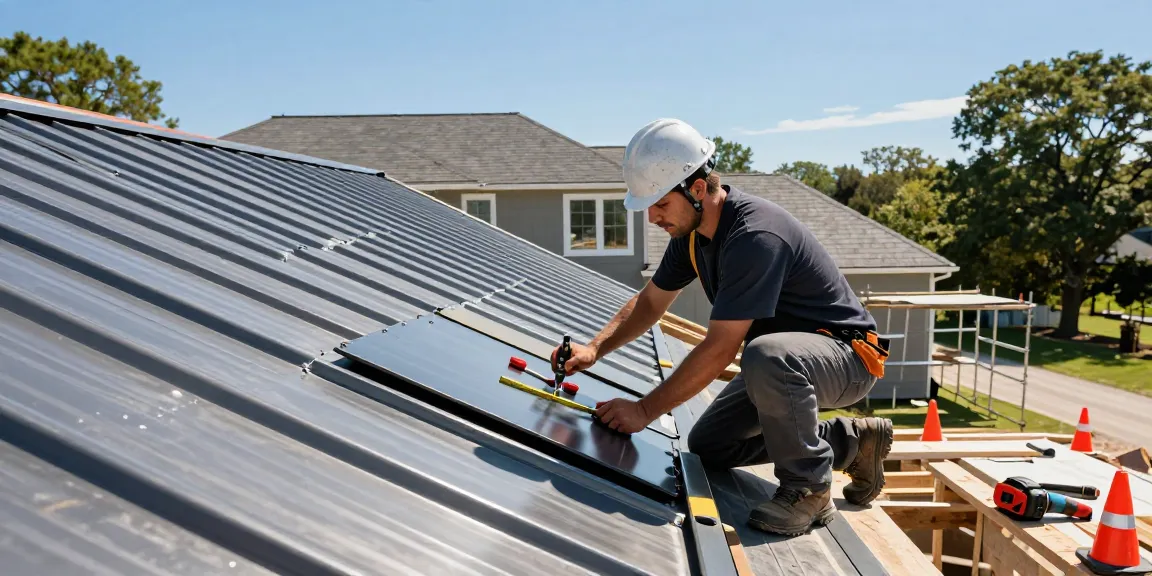
Hiring a qualified metal roofing contractor is essential for ensuring a successful installation. These professionals bring expertise that significantly impacts the durability and performance of your roof. A well-installed metal roof not only enhances the aesthetic appeal of your property but also maximizes the material's inherent benefits.
Professional Installation Benefits
One of the foremost benefits of hiring a professional is the assurance of quality installation. DIY installations may lead to costly mistakes that could compromise the roof's effectiveness. Professionals are trained to follow best practices, ensuring that all components, such as flashing and underlayment, are adequately installed to prevent leaks and water damage.
Expertise in Materials and Techniques
Metal roofing comes in various materials, including aluminum, steel, copper, and zinc, each with its unique characteristics. A skilled contractor will guide you through the selection process, taking into account your budget, climate, and aesthetic preferences. They also stay updated on the latest installation techniques and technologies, which can improve the roof's overall performance.
Importance of Licensing and Insurance
Ensuring that your metal roofing contractor is licensed and insured protects you as a homeowner. A license indicates that the contractor meets local codes and regulations, while insurance protects you from liability in the case of an accident during installation. Hiring an unlicensed or uninsured contractor can lead to significant risks, including shoddy workmanship and potential legal issues.
Selecting the Right Metal Roofing Contractor
Finding the right contractor for your metal roofing project involves more than just picking a name from the phone book. It's crucial to consider several factors to ensure you make an informed choice.
Essential Qualities to Look For
- Experience: Look for contractors with a proven track record in metal roofing projects.
- References: Ask for references from previous clients to gauge satisfaction levels.
- Portfolio: A contractor should be able to provide examples of their past work.
- Transparency: They should be open about costs and timelines, ensuring no hidden surprises.
Questions to Ask Before Hiring
Before making a hire, consider asking the following questions:
- What is your experience with metal roofing?
- Can you provide a detailed estimate including materials and labor?
- What warranties do you offer on your work and materials?
- How do you handle unexpected complications during the project?
Checking Reviews and References
Online reviews can provide insight into a contractor's reputation. Websites like Yelp, Google Reviews, and the Better Business Bureau can help you assess the contractor's reliability. Ask for direct references and follow up with them to inquire about their experiences, including how the contractor handled any issues that arose during their project.
Installation Process Explained
The installation process is critical to the performance and longevity of a metal roof. Understanding what to expect can alleviate concerns and ensure that the project goes smoothly.
Preparation and Planning Steps
Before installation begins, the contractor will conduct a thorough assessment of your roof. This includes checking for structural issues that must be addressed before installation and determining the appropriate type of metal roofing. Proper planning also involves discussing your aesthetic preferences and ensuring that any necessary permits are acquired.
Materials Used and Their Benefits
Quality materials are paramount in metal roofing. Common options include galvanized steel, aluminum, copper, and standing seam panels. Each material offers unique benefits, such as aluminum's resistance to corrosion and copper's aesthetic appeal. A reputable contractor will guide you in selecting the best materials for your project and budget.
Post-Installation Care and Maintenance
Once your metal roof is installed, it requires minimal maintenance. Regular inspections to check for debris buildup, signs of corrosion, or loose fasteners will help maintain its quality. Cleaning your roof periodically can also prevent issues such as mold growth and rust, ensuring your investment remains durable and visually appealing.
Future Trends in Metal Roofing
The metal roofing industry is continually evolving, with new trends emerging to enhance performance and aesthetics. Staying informed about these trends can help homeowners make the best decisions for their properties.
Technological Innovations in Roofing
Technological advancements have introduced various innovations in metal roofing, including improved coatings that increase energy efficiency and durability. Reflective coatings can help lower cooling costs during hot months by reflecting sunlight. Additionally, advancements in installation techniques, such as interlocking panels, offer enhanced weather resistance and simplified installation processes.
Sustainable Practices and Materials
As environmental concerns grow, many metal roofing manufacturers are adopting sustainable practices. This includes using recycled materials and producing roofs that are fully recyclable at the end of their lifecycle. Homeowners are increasingly aware of the environmental benefits of metal roofs, which contribute to sustainability while providing long-term value.
Predictions for the Industry in 2026
As we look toward 2026, we predict continued growth in the metal roofing market. Factors such as rising energy costs, increased awareness of climate change, and the demand for sustainable building materials will drive this trend. Furthermore, advancements in insulation technology and energy efficiency will likely enhance the appeal of metal roofing for homeowners seeking to reduce their carbon footprint.
What are the advantages of choosing metal roofing?
Metal roofing offers numerous advantages, including longevity, reduced maintenance costs, energy efficiency, and enhanced property value. Its ability to withstand harsh weather conditions also makes it a preferred choice for homeowners.
How does a metal roofing contractor ensure quality installation?
A reputable metal roofing contractor ensures quality installation through a combination of experience, industry knowledge, and adherence to best practices. They use high-quality materials and are equipped to handle unexpected challenges that may arise during the installation process.
What should I ask during a consultation with a metal roofing contractor?
During a consultation, it’s vital to inquire about the contractor’s experience, warranty options, material choices, and the timeline for project completion. Asking targeted questions can help you assess their expertise and fit for your project.
Are there any long-term maintenance requirements for metal roofs?
Metal roofs require minimal maintenance; however, regular inspections and occasional cleaning are recommended. This helps prevent issues such as rust or debris accumulation, ensuring the roof retains its effectiveness and appearance over time.
What are the environmental benefits of metal roofing?
Metal roofs are often made from recycled materials and are fully recyclable at the end of their lifespan. Additionally, their energy efficiency can contribute to a reduced carbon footprint, making them an environmentally friendly option for homeowners.